
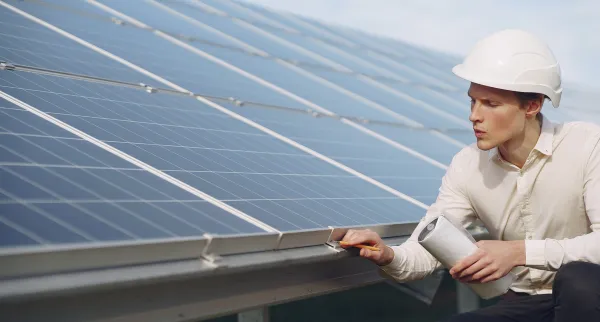
The Future of Solar Engineering: Trends to Watch in the Next Decade
The solar energy industry is rapidly growing, providing clean, renewable solutions to our ever-increasing energy needs. Solar engineering plays a critical role in this transformation, and as we move toward a more sustainable future, the field of solar engineering is evolving at a fast pace.
As we look ahead, it’s important for professionals in the solar industry to stay ahead of emerging trends and technologies. In this article, we’ll explore the key trends that will define the future of solar engineering in the next decade.
Current Trends Shaping Solar Engineering
Automation in Solar Design
One of the most transformative trends in solar engineering is the integration of automation tools in the design process. These tools reduce errors, streamline project timelines, and optimize solar panel layouts for maximum energy production. Automation is allowing solar engineers to work more efficiently, improving the speed and precision of the entire design process.Local Compliance Challenges
As the solar industry expands, the issue of local code compliance becomes more significant. Each region has its own unique set of codes and requirements, which can make it difficult to ensure projects meet all local standards. This is an area where U.S.-based engineers, like those at Jolt Engineering, have an advantage. We understand the complexities of working within different jurisdictions, and we’re able to navigate these challenges effectively.Integration of AI in Solar Projects
Artificial intelligence (AI) is playing an increasingly important role in solar design. AI-based algorithms allow engineers to predict the performance of solar systems, analyze energy consumption patterns, and optimize energy production in real-time. This enables engineers to create more efficient systems while reducing the need for manual oversight.
The Future of Solar Engineering in 5 to 10 Years
Smarter, More Efficient Solar Designs
In the coming decade, solar designs will become increasingly efficient. As AI and machine learning continue to evolve, solar systems will be able to adjust to environmental changes in real-time, maximizing energy output. These systems will not only be smarter but also more cost-effective and sustainable.Innovations in Materials
One of the most exciting developments in solar engineering is the advancement of solar materials. For example, perovskite solar cells are expected to drastically improve solar panel efficiency while reducing costs. This will make solar energy more accessible and affordable, bringing us closer to global energy independence.Integrated Energy Solutions
The future of solar engineering isn’t just about solar panels—it's about integrating solar energy with energy storage solutions. Solar systems paired with storage capabilities will allow businesses, homes, and even entire communities to store energy and use it during non-sunny periods, achieving grid independence and ensuring reliable energy production.Cost Reductions
As technology continues to improve, the cost of solar energy will continue to drop. We are already seeing significant cost reductions, and as technology matures, the cost of installation and energy production will become more affordable. This will make solar energy an even more viable solution for businesses and individuals alike.
The Role of Solar Engineers in This Future
As these trends unfold, solar engineers will play a vital role in shaping the future of the solar energy industry. In the next decade, solar engineers will need to develop new skill sets, embrace cutting-edge technologies, and focus on providing customized solutions to the complex challenges of solar design and implementation.
Evolving Skillsets
Engineers will need to be skilled in AI, data analysis, and system integration to adapt to the evolving landscape of solar energy. The demand for knowledge in advanced materials and energy storage will also increase as the industry continues to grow.Problem Solvers, Not Just Designers
While designing solar systems will remain central to the role of solar engineers, the future will require engineers to act as problem solvers. Engineers will need to navigate the complexities of local compliance, resolve technical obstacles, and manage project logistics to ensure the success of solar installations.
How Jolt Engineering is Preparing for the Future
At Jolt Engineering, we are constantly adapting to industry changes and embracing new technologies to stay at the forefront of solar engineering. We are committed to providing precise, reliable, and compliant solar designs while keeping pace with industry advancements like AI, energy storage, and advanced materials. Our team is continuously learning and evolving to ensure we provide the most efficient and effective solutions to our clients.
We focus on local expertise, ensuring all of our projects are compliant with local codes, and we’re dedicated to delivering high-quality designs that meet the unique needs of every project.
Conclusion
The future of solar engineering is bright, and the next decade promises to bring significant advancements in technology, efficiency, and sustainability. Solar engineers will need to stay adaptable, developing new skills and solving increasingly complex challenges to meet the growing demand for solar energy.
At Jolt Engineering, we are excited about the possibilities ahead and are committed to ensuring that our projects are always at the cutting edge of these industry trends. Let’s connect and discuss how we can collaborate to drive the future of solar engineering and contribute to a sustainable energy future.