
What 18 Months of Pinal County Projects Taught Me About Engineering Firms That Break Under Scale
I've been watching Pinal County, Arizona since early 2023.
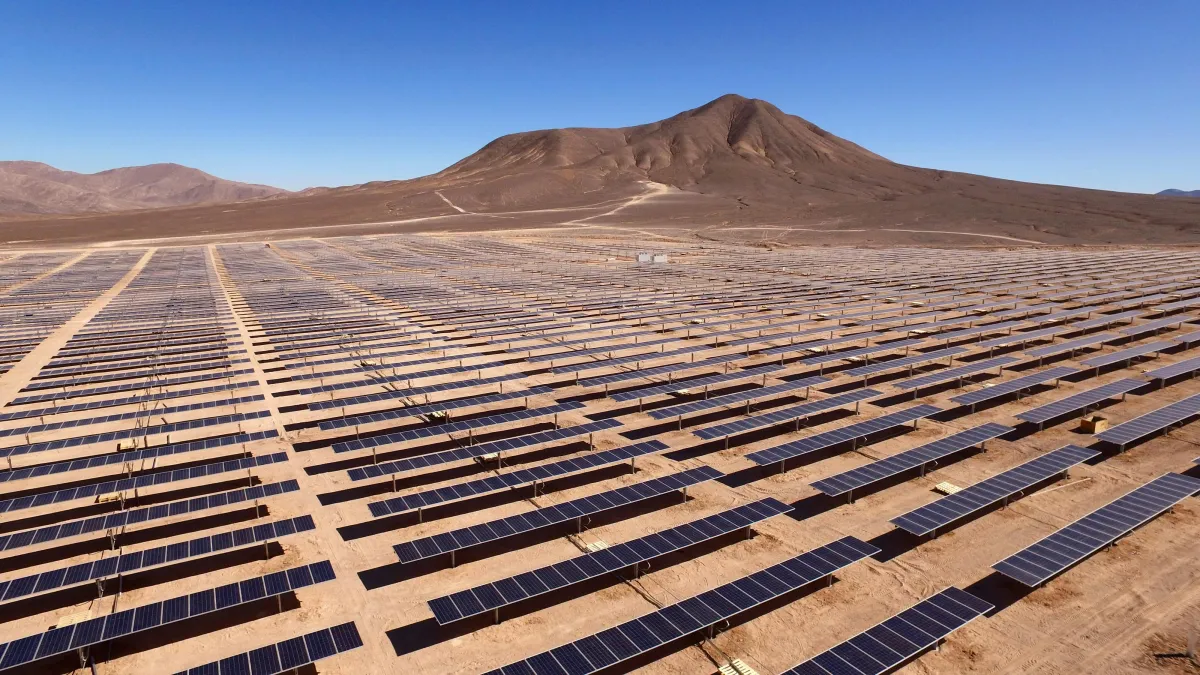
The project announcements keep accelerating. Utility-scale solar centers with battery storage. Multi-thousand acre developments. Not the typical commercial installations I cut my teeth on.
These projects expose something most engineering firms hide behind revision cycles and permit delays.
The gap between what looks compliant on paper and what actually builds in the field.
When that gap shows up on a 300 MW solar + BESS project, it costs millions. And everyone sees it.
Why Pinal County Became My Laboratory
Arizona's electricity demand is growing faster than almost anywhere in the country. Multiple times the national average.
Data centers are driving this surge in ways utilities haven't navigated before.
Major technology companies are securing entire solar farms' generation capacity before construction finishes. SRP projects it needs to double or triple its power system over the next decade while retiring significant coal resources.
The timeline is compressed.
When utilities need to double capacity within years, developers can't afford permit delays. They can't absorb revision cycles. Engineering firms that deliver buildable designs on the first attempt win projects.
Everyone else creates problems that compound during construction.
I've been tracking which firms deliver and which ones don't. The pattern is clear.
The Three Places Engineering Firms Break
I've spent years working with installation teams and observing what breaks in the field.
That perspective taught me where designs fail. Not in theory. In practice.
Most firms understand code compliance. They model system performance. They know how to stamp drawings.
But they don't design for what happens when installation starts.
The breakdown shows up in three predictable places:
Permitting Becomes Public Judgment
Projects in Pinal County navigate Arizona Corporation Commission CEC hearings and multi-jurisdictional approvals.
Poor engineering judgment becomes visible to all stakeholders.
When permit reviewers have seen your firm's work before, you can't hide behind revision requests. They know which firms deliver buildable designs and which ones create work for everyone downstream.
I've watched firms submit designs that ignore local code requirements specific to Arizona. Not because they're incompetent. Because they treat Pinal County like any other jurisdiction.
The permit rejection comes back. The timeline slips. The developer sees which firm caused the delay.
Installation Sequences Expose Unbuildable Designs
A layout looking compliant on paper might be impossible to build in the required sequence.
Engineers without construction experience don't model for physical constraints. They design for the drawing, not the crew installing it.
I've seen mounting layouts that look efficient in CAD but require installers to work backwards across already-installed modules. Electrical routing that assumes unlimited workspace. Conduit runs that ignore structural penetration limits.
These mistakes don't show up during permit review.
They show up when the EPC contractor realizes the design can't be built as drawn. By then, procurement is locked in. Equipment is ordered. Timelines are set.
Field corrections on utility-scale projects cost more than getting the design right upfront.
Long-Term Performance Reveals Design Shortcuts
These systems operate for 25+ years.
Designs ignoring construction reality create maintenance issues that compound over time.
What works on commissioning day fails three years in when roof membranes settle or electrical connections degrade under thermal cycling.
I learned this from working closely with teams managing these systems over time. The designs that ignored physical constraints required the most maintenance. The ones that accounted for how materials actually behave in Arizona heat performed better over time.
The gap between inspection pass and 25-year performance costs developers millions.
But most engineering firms never see that feedback loop. They deliver the stamped drawings and move to the next project.
What Scale Does to Engineering Weaknesses
These Pinal County projects generate substantial economic impact.
Individual projects deliver hundreds of millions in economic benefits. Hundreds of jobs during peak construction. Tens of millions in tax revenue.
Projects this size expose firms without systematized quality processes.
When you're coordinating procurement across major equipment suppliers, engineering specs need to be buildable without field modifications. Every design decision creates cascading consequences across structural, electrical, and BESS systems.
Firms without rigorous front-end processes don't anticipate these dependencies.
I've watched this pattern repeat. The firm delivers electrical drawings that don't account for BESS integration complexity. The structural drawings don't align with electrical routing requirements. The interconnection design assumes grid capacity that doesn't exist at the planned POI.
Each mistake creates a revision cycle.
Each revision delays procurement. Each delay pushes installation timelines. Each timeline slip affects project financing.
On projects where delays cost millions, these mistakes become expensive fast.
BESS Integration Changed the Engineering Requirements
Battery storage changes how you design the entire electrical system.
BESS introduces new current paths, dynamic loads, and potential operating conflicts.
Engineers who learned solar without storage make assumptions about electrical routing that don't hold when PV and BESS assets share transformers, switchgear, or medium-voltage infrastructure.
I've seen firms treat BESS as an add-on to solar design. They model the components separately, then integrate them on paper.
Installers discover the electrical dependencies in the field.
By then, the problems are expensive to fix. Equipment is already procured based on the original design. Installation crews are scheduled. The timeline doesn't allow for fundamental redesign.
The firms winning these projects understand complete system interaction during construction. They design for how the electrical systems actually operate together, not how they look on separate drawings.
That requires construction experience most engineering firms don't have.
What I Hear From EPCs Working These Projects
I talk to EPC contractors and developers working in Pinal County.
They're not asking for faster turnaround times.
They want designs they don't need to fix in the field.
The difference matters. Fast designs ignoring construction reality create more work, not less. Quality upfront prevents the permit delays and revision loops that slow projects down.
On commercial-scale solar + BESS projects, you need engineering partners who understand:
Local permitting requirements. Arizona has specific code requirements that differ from other states. Firms treating Pinal County like any other jurisdiction miss details that cause permit rejection.
BESS integration complexity. The technology affects electrical routing, interconnection design, and system integration in ways that require construction-informed judgment.
Interconnection constraints. SRP's grid has specific requirements for projects this size. Understanding those constraints during initial design prevents expensive changes later.
Constructability. The design needs to account for how crews build these systems. Mounting layouts looking efficient on paper often prove impossible to install in practice.
Most commercial solar engineers have never worked closely with installation teams.
I know because I talk to them. They're skilled at modeling and code compliance. But they've never worked closely enough with installation crews to understand how their designs perform when construction starts.
That knowledge gap shows up when construction starts.
The Market Is Dividing Into Two Categories
Pinal County represents billions in annual economic output from Arizona's solar industry.
Two types of firms are emerging.
Firms with rigorous front-end engineering are winning projects because developers need reliability. They deliver designs that survive field reality without revision cycles.
Firms scaling on credentials alone struggle. They have the licenses and the software, but they lack the construction experience that creates buildable designs.
I've watched EPCs learn this lesson the expensive way. They hire the firm with the fastest turnaround time or the lowest bid. The design comes back. It looks compliant.
Then construction starts.
The electrical routing doesn't work. The mounting layout requires field modifications. The interconnection design missed local utility requirements.
The EPC realizes revision cycles cost more than paying for quality upfront.
Developers are learning which firms understand the difference between code compliance and constructability.
The gap between these two approaches becomes expensive on projects where delays cost millions and equipment lead times stretch months.
This Pattern Repeats Everywhere Demand Scales
Pinal County shows an early pattern.
The same dynamics are playing out wherever commercial solar + BESS projects are scaling to meet data center and manufacturing demand.
Data centers are consuming electricity far faster than other customer types. Manufacturing reshoring creates similar pressure in other regions.
The engineering firms winning in this environment understand construction reality.
They've worked closely with installation teams. They've watched installations fail because designs ignored physical constraints. They've seen what happens when electrical routing looks good on paper but doesn't account for how crews actually build these systems.
Projects this size require precision. The timelines are tight. The financial stakes are high.
Most firms don't systematize the front-end rigor that this technical complexity demands.
I built Jolt to collapse the gap between design and construction reality. Every project gets a licensed professional who understands how these systems actually build. We front-load the engineering rigor that prevents revision cycles.
Designing for buildability, not just code compliance, matters more in Pinal County than anywhere else I've seen.
The projects are too big. The timelines are too compressed. The consequences of poor engineering are too visible.
This is where commercial solar engineering gets tested.
Most firms aren't ready.
What I've Learned From 18 Months of Watching
Pinal County taught me something I suspected but couldn't prove until I saw it at scale.
Construction experience creates a different category of engineering judgment.
Firms that design from drawings alone miss dependencies that become expensive during installation. Firms that understand how systems actually build deliver designs that work the first time.
The market is sorting itself. Developers are learning which firms prevent problems and which ones create them.
When electricity demand is growing this fast, you can't afford the firms that need revision cycles to get designs right.
You need the firms that understand construction reality from day one.
That's what 18 months of Pinal County projects revealed.
Frequently Asked Questions
What makes Pinal County different from other solar markets?
Pinal County combines massive project scale with BESS integration, compressed timelines driven by data center demand, and multi-jurisdictional permitting requirements. Arizona's electricity demand is growing at multiples of the national average. Engineering precision matters more than speed in this environment. Firms that deliver buildable designs on the first attempt win projects. Everyone else creates expensive construction problems.
Why do most engineering firms struggle with BESS integration?
Battery storage changes how you design the entire electrical system. BESS introduces new current paths, dynamic loads, and operating conflicts that affect electrical routing, interconnection design, and system integration. Engineers who learned solar without storage make assumptions that don't hold when PV and BESS assets share infrastructure. Most firms treat BESS as an add-on rather than designing for complete system interaction during construction.
What percentage of commercial solar engineers lack construction experience?
Most commercial solar engineers have never worked closely with installation teams. This knowledge gap shows up when construction starts. Engineers without field experience design from CAD software and code books rather than construction reality. They create layouts that look compliant on paper but prove impossible to build in the required installation sequence.
How do revision cycles affect project costs on utility-scale solar?
On large commercial projects with tight timelines, revision cycles create cascading delays that cost millions. When engineering errors require field corrections, they affect procurement schedules, installation sequencing, and project financing. Equipment lead times for transformers, switchgear, and transmission components already extend construction timelines. Revision cycles compound these delays and signal poor initial engineering judgment to permit reviewers and stakeholders.
What economic impact do these solar projects have on Pinal County?
Pinal County represents billions in annual economic output from Arizona's solar industry. Individual projects deliver substantial impact. Tens of millions in tax revenue, hundreds of millions in economic benefits, and hundreds of jobs during peak construction. These projects require engineering precision from day one because the financial stakes are too high for revision cycles.
Is this trend limited to Arizona?
Pinal County shows an early pattern repeating wherever commercial solar + BESS projects scale to meet electricity demand. Data centers are consuming increasing percentages of total US electricity and that growth continues accelerating. Manufacturing reshoring creates similar pressure in other regions. The engineering firms winning in this environment understand construction reality. As data centers and industrial facilities drive demand growth, the same gaps between design and buildability will become expensive everywhere.
Key Takeaways
Pinal County has become a proving ground where utility-scale solar projects with BESS expose the gap between engineers who design from drawings and those who understand construction constraints.
Arizona's electricity demand is surging at multiples of the national average. Data centers are consuming power far faster than other customer types. This compressed timeline rewards firms that deliver buildable designs on the first attempt.
Engineering firms break in three predictable places: permitting (where poor judgment becomes public), installation sequencing (unbuildable designs), and long-term performance (compounding maintenance issues over 25+ years).
Most commercial solar engineers have never worked closely with installation teams. This knowledge gap shows up when construction starts, creating revision cycles that delay procurement and require expensive field corrections.
BESS integration changes how you design the entire electrical system. Engineers who learned solar without storage make assumptions about electrical routing and system integration that don't hold when battery storage is added.
Project scale amplifies engineering weaknesses. Every design decision creates cascading consequences across structural, electrical, and BESS systems. Firms without systematic quality processes don't anticipate these dependencies.
The market is dividing into two categories: Firms with rigorous front-end engineering win projects because developers need reliability. Firms scaling on credentials alone struggle to deliver designs that survive field reality without revision cycles.
This pattern repeats wherever demand scales. As data centers and manufacturing drive electricity growth, the same engineering gaps will become expensive everywhere commercial solar + BESS projects need to meet compressed timelines.
Construction experience creates a different category of engineering judgment. Firms that understand how systems actually build deliver designs that work the first time. Firms that design from drawings alone miss dependencies that become expensive during installation.