How to Choose a Commercial Solar Provider for Your Business
Table of Contents
- What a commercial solar provider actually is
- If the company calls itself a developer
- If it calls itself a contractor, EPC or installer
- Commercial solar installation: what gets built
- How to compare commercial solar companies
- What to look for in a commercial solar installer
- Comparing bids side by side
- Financing and ownership: what to get in writing
- Frequently asked questions
- How do I choose a commercial solar provider?
- How much does commercial solar cost for a business?
- What is the difference between a commercial solar developer, EPC and installer?
- How long does a commercial solar installation take?
- What tax incentives are available for commercial solar?
- Where engineering fits in a commercial solar project
- The Bottom Line: pick by scope, not by label
- Your next step
Choosing a commercial solar provider starts with one question: which part of the project does each company actually cover? Ask that first, then compare what to look for and what to ask before you sign.
Key takeaways
- Labels like developer, contractor, installer and EPC are not a reliable guide, so ask each company what it will do on your project.
- A fair comparison starts with the same scope, the same site data and the same written assumptions for every bidder.
- Permit and utility paperwork can affect your schedule, so ask who prepares it before you sign.
In this guide
- What a commercial solar provider actually is
- Commercial solar installation: what gets built
- How to compare commercial solar companies
- Frequently asked questions
- Where engineering fits in a commercial solar project
- The Bottom Line: pick by scope, not by label
- Your next step
What a commercial solar provider actually is
Search for a commercial solar company and the same label can cover very different scopes. Contracts vary, so do not rely on the name. Ask each company what it will do on your project, what it subcontracts and who is responsible if something goes wrong.
If the company calls itself a developer
Ask whether the company will own the system, how long that arrangement lasts and what you are expected to provide. Get the answers in writing before you compare it with a company that only builds.
If it calls itself a contractor, EPC or installer
Ask whether the company handles design, equipment purchasing and construction, or only part of that, and what it subcontracts. Ask who holds the contract with you and who answers if a design question comes up in the field.
| Label | Ask | Get in writing |
|---|---|---|
| Developer | Will you own the system, and for how long? | Ownership terms and what you commit to |
| Contractor or EPC | Do you handle design, purchasing and construction? | What is subcontracted and who holds the design |
| Installer | Who designs the system? | Who handles permits |
| Engineering firm | Do you provide PE-stamped plan sets and permit documentation? | Jurisdiction and utility experience |
Commercial solar installation: what gets built
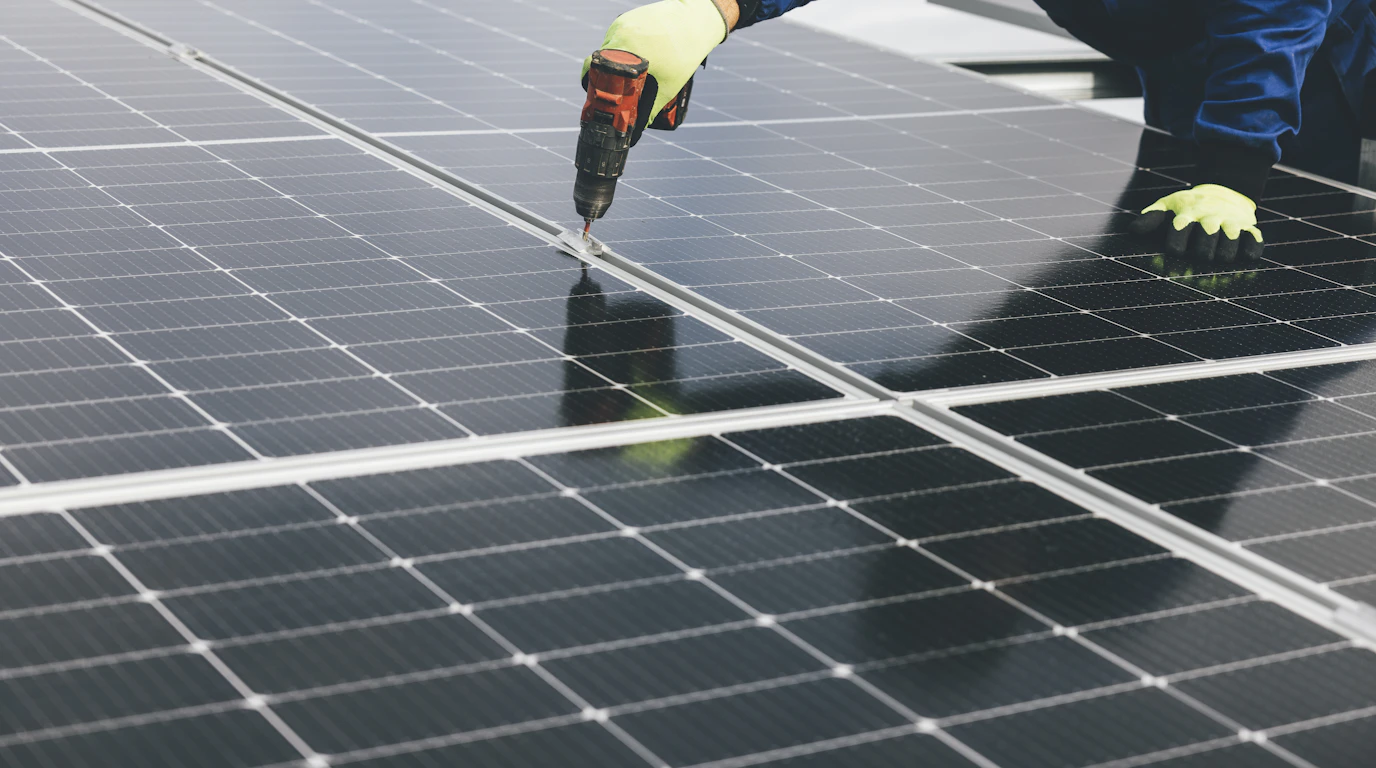
Whatever the company calls itself, a commercial solar installation comes down to a few physical parts, and each one should show up in the proposal.
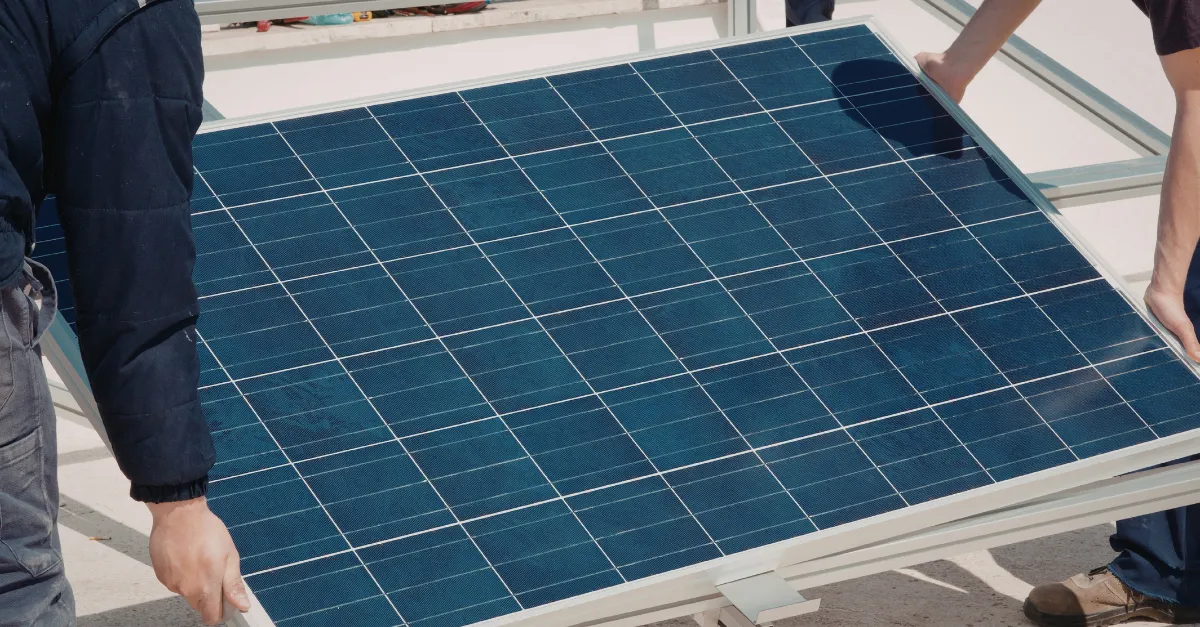
The U.S. Department of Energy explains that photovoltaic devices use solar cells made of semiconductor materials to turn sunlight directly into electricity, and that cells are wired into panels. An inverter then converts the DC electricity from the panels into the AC that your building and the grid use. The mounting structure has to be stable and durable enough to support the array, whether it sits on a roof, on the ground or over a parking area.
Layout matters too. In the northern hemisphere, panels produce the most energy per year when they face due south, tilted at about the local latitude. Your site may not allow that, so ask how shading and roof geometry affect the proposed layout. The DOE notes that microinverters let each panel work independently, which helps when part of an array is shaded. You can read the basics in the DOE overview of solar photovoltaic system design.
A good proposal explains why the system is laid out the way it is on your site. If it reads like a template with your address on it, ask more questions.
How to compare commercial solar companies
Bids are only comparable when they are built on the same inputs. Give every company the same utility bills, the same site access and the same goals, then compare what comes back.
What to look for in a commercial solar installer
Before you rank anyone, confirm the basics in writing:
- Confirm who designs the system and whether a PE stamps the plans.
- Ask which permitting authority and utility the company has worked with for projects like yours.
- Request the equipment list, including panels, inverters and mounting.
- Check who prepares the utility submittal and who responds to reviewer comments.
- Get warranty and maintenance terms in the proposal, not in a later email.
- Ask who you will actually talk to when a technical question comes up.
Comparing bids side by side
Once you have two or three proposals, work through them in the same order:
- Line up the scope. Put what each bid includes and excludes side by side, including permits, utility paperwork and monitoring.
- Check the assumptions. Look at the energy production estimate and what site conditions it assumes.
- Ask about changes. Find out how a permit comment or a field change is handled and who pays for it.
- Confirm the schedule logic. Timelines depend on project size, site conditions and jurisdiction requirements, so ask what the schedule assumes.
- Talk to the people doing the work. A short call with the engineer or project lead can tell you more than the brochure does.
Financing and ownership: what to get in writing
However you plan to pay for the system, ask each company to put the structure in writing: who owns it, who maintains it, who claims any tax benefit, the term and the options at the end of it. Have your own advisor read those terms. Do not compare a purchase price with a monthly payment as if they were the same thing.
On tax, the IRS describes the clean electricity investment credit (Section 48E) as technology-neutral, for qualified facilities and energy storage placed in service after Dec. 31, 2024. The IRS page on the credit does not mention solar by name, so confirm the deadlines and conditions for your specific project with a tax professional before you commit.
Frequently asked questions
How do I choose a commercial solar provider?
Decide which part of the work you need covered: development, design, construction or all of it. Then compare providers on the same scope, ask who designs and who handles permit and utility paperwork, and get warranty, maintenance and ownership terms in writing.
How much does commercial solar cost for a business?
It depends on the site, the system size, the equipment and the scope of work, so a single number would mislead you. Ask each company for an itemized proposal built on the same site data, and compare scope line by line.
What is the difference between a commercial solar developer, EPC and installer?
Companies use these labels differently, so the label alone will not tell you. Ask each one to list what it handles on your project (development, design, purchasing, construction, installation, permits) and what it subcontracts.
How long does a commercial solar installation take?
It depends on project size, site conditions and jurisdiction requirements. Permit review and utility approval are part of the schedule alongside construction, so ask each company what its schedule assumes and where the approvals fall in it.
What tax incentives are available for commercial solar?
The IRS describes a clean electricity investment credit under Section 48E for qualified facilities and energy storage placed in service after Dec. 31, 2024. Eligibility and deadlines for your project should be confirmed with a tax professional and the IRS before you sign anything.
Comparing bids on a commercial project?
Talk through the engineering scope with an engineer.
Where engineering fits in a commercial solar project
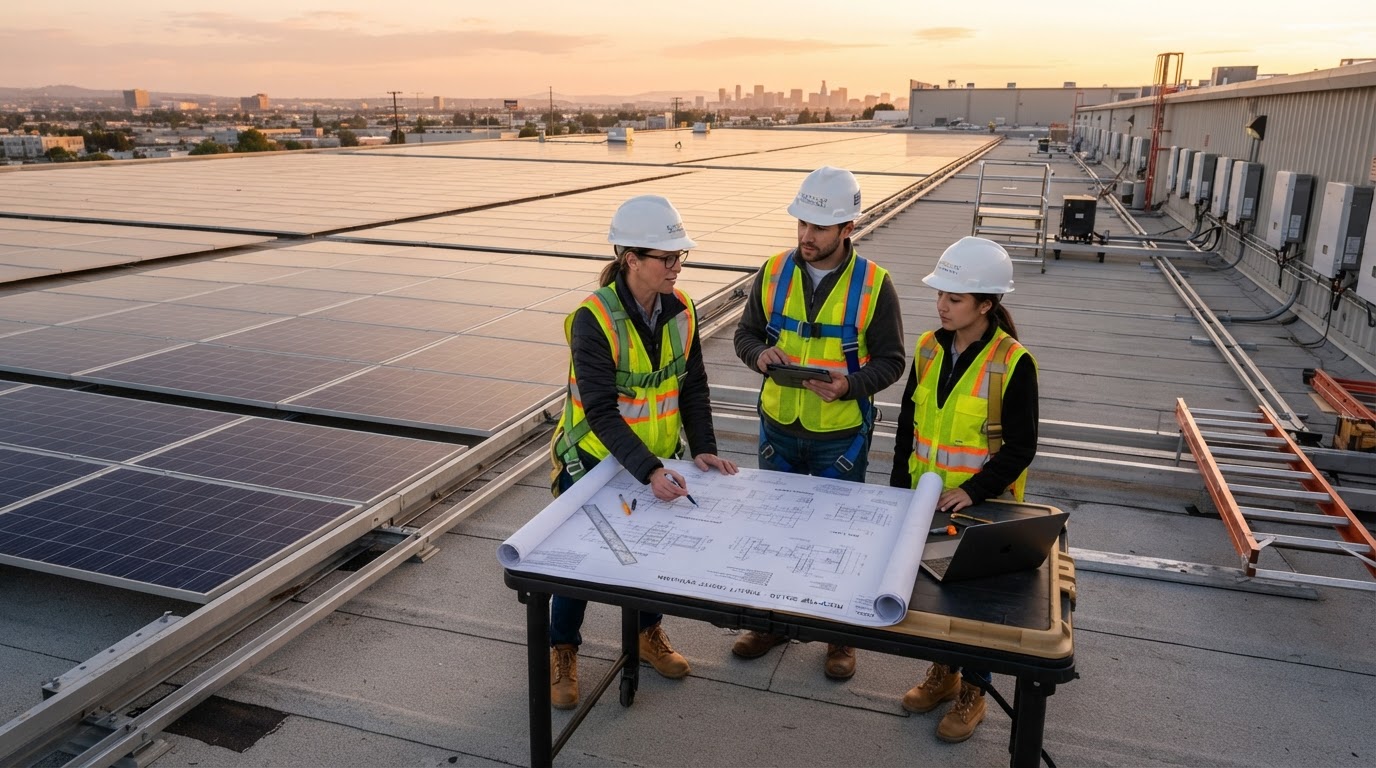
Jolt Engineering is an engineering partner for commercial solar EPCs, developers and contractors. We prepare site-specific, PE-stamped plan sets, with AHJ-aware design and documentation for permits and utility submittals. Interconnection support is limited to PE-stamped documentation for utility submittals. We do not manage the interconnection process end to end. You can find more guides like this one on the Jolt Engineering blog.
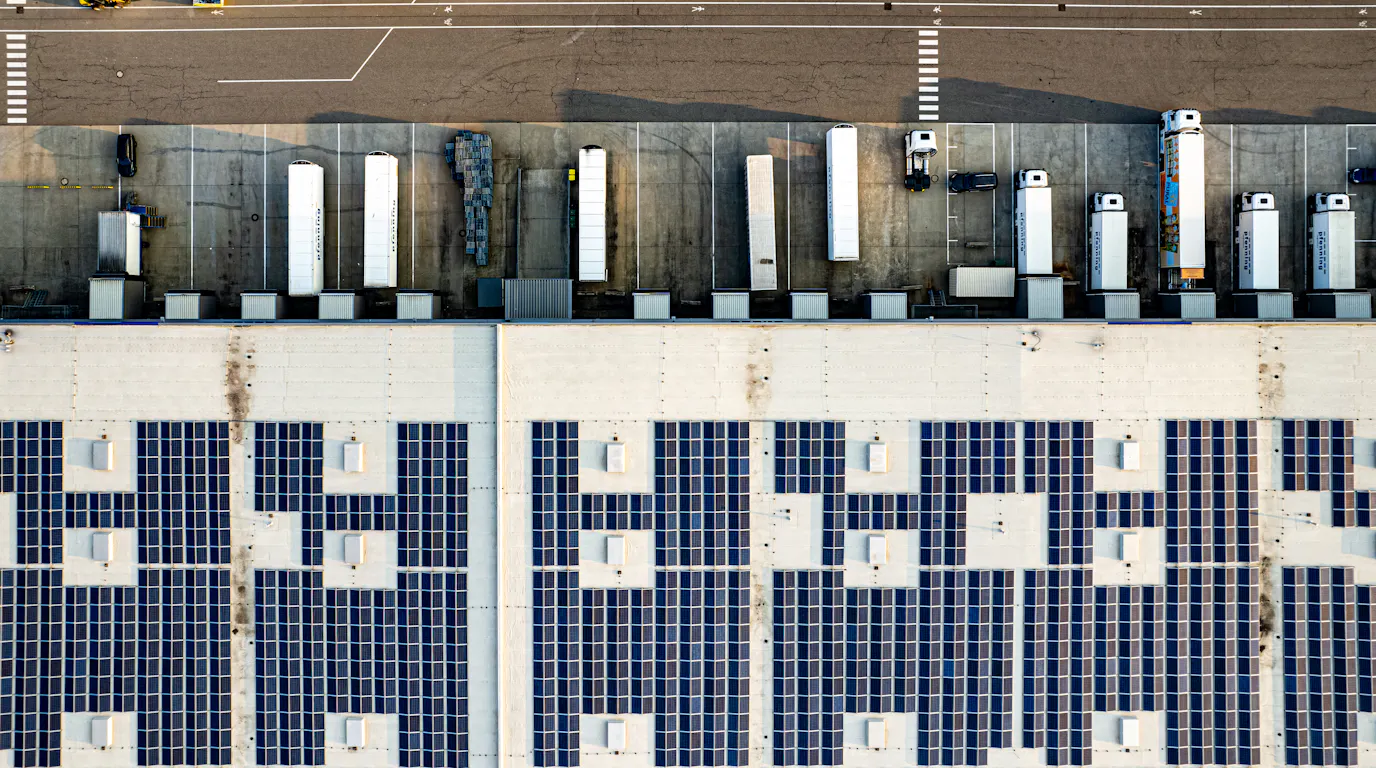
That matters when you read proposals. Ask whether the design is built around the site, the utility and the permitting authority from day one, or whether it is a template. We wrote about this in custom design versus templates in commercial solar, and it is a useful lens when you compare bids.
The authority that reviews your permit and the utility that connects your system depend on the project location, so ask any company how it has worked with them. If you are an EPC or developer and want to know whether we can support a project in your state, contact Jolt Engineering with the project location to confirm availability.
The Bottom Line: pick by scope, not by label
- Know what each company covers. Ask every bidder to list what it handles on your project and what it subcontracts, whatever it calls itself.
- Compare on equal inputs. Give every bidder the same site data and goals, then line up scope, exclusions and assumptions.
- Ask who owns the paperwork. Permit and utility documents can affect the schedule, and someone has to respond to the reviewer.
- Read the ownership terms. Get ownership, maintenance and tax-benefit terms in writing and have an advisor review them.
- Do not accept a template. A proposal should explain why the layout fits your roof or land, your authority and your utility.
Your next step
Choosing a commercial solar provider is mostly a matter of asking better questions before you sign. Write down the scope you need, gather your site details and put the same list in front of every company you are considering. If you are an EPC, developer or contractor who needs engineering behind a commercial project, send the project details and we can discuss scope and timing.
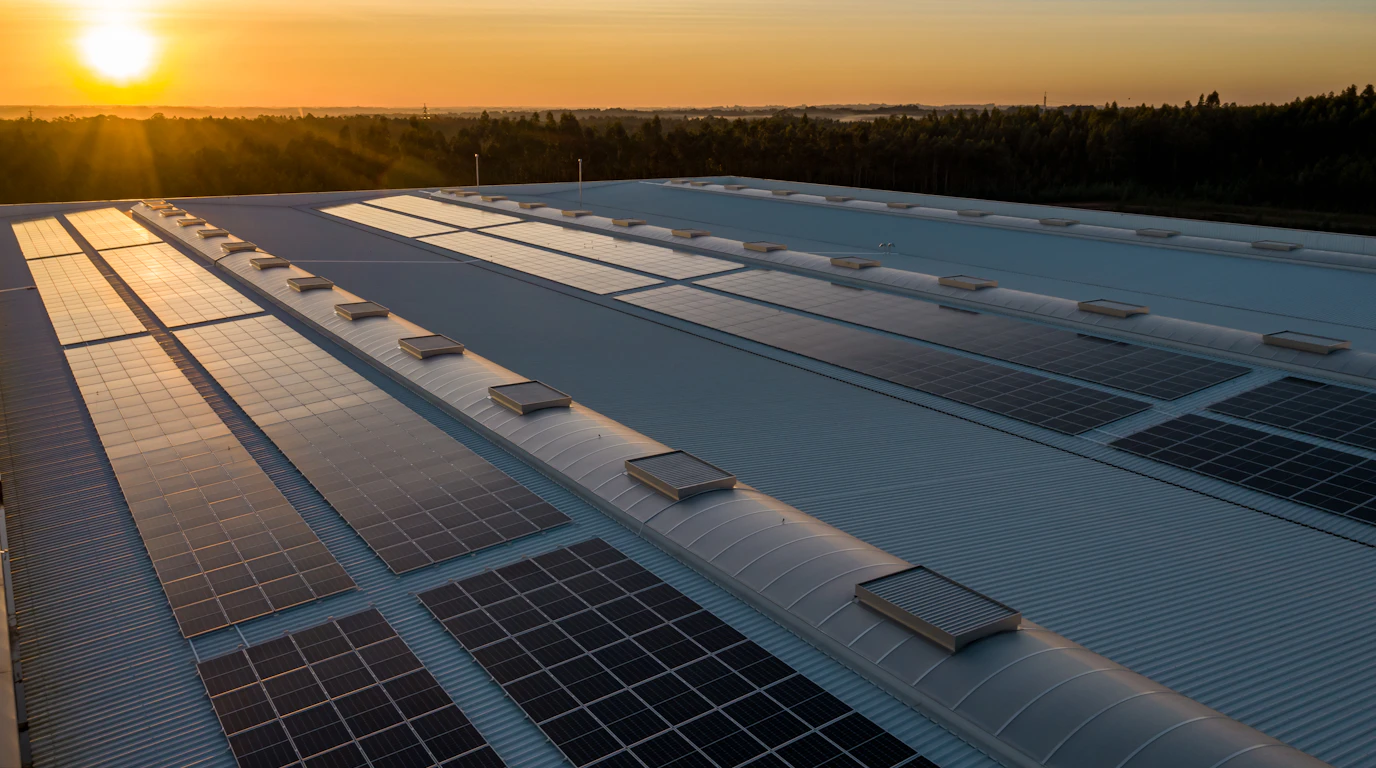
Featured photo: Nuno Marques on Unsplash.
Have a commercial project that needs engineering?
Send the location, the site conditions and the scope you need.