What Is EV Charging Infrastructure? A Plain-Language Guide
Table of Contents
- What Is EV Charging Infrastructure?
- EV Charging Infrastructure Components: What Goes Into a Site
- EV charging stations, ports and connectors
- Standards and open networks
- EV Charging Infrastructure Types: Level 1, Level 2 and DC Fast Charging
- How Electric Vehicle Charging Infrastructure Connects to the Grid and What It Costs
- EV charging infrastructure cost
- Frequently Asked Questions About EV Charging Infrastructure
- What is the difference between an EV charger and an EV charging station?
- What is EV charging, in one sentence?
- How much does EV charging infrastructure cost to install?
- What does EV charging infrastructure design involve?
- Do you build the charging site or manage the utility upgrade?
- The Bottom Line: Start With Power, Not the Charger
- Next Step: Talk Through Your Site
What is EV charging infrastructure? It is everything that gets power from the grid into an electric vehicle battery: the chargers and connectors, the wiring and electrical service behind them, the connection to the utility and, at most commercial sites, the software that manages the chargers. This guide explains each part in plain terms, with a commercial and fleet focus.
Key takeaways
- The charger is only the visible piece. The electrical service, wiring and software behind it are part of the system.
- Level 1, Level 2 and DC fast charging differ in power, and power decides how much electrical work a site needs.
- At commercial and fleet sites, utility capacity and the permit package shape the project as much as the hardware does.
In this guide
- What is EV charging infrastructure?
- EV charging infrastructure components
- EV charging infrastructure types
- Grid connection and cost
- Frequently asked questions
- The Bottom Line
- Next step for your site
What Is EV Charging Infrastructure?
Start with the simple version of the question: what is EV charging? It is moving electricity from the grid into a vehicle battery. Electric vehicle charging infrastructure is the physical and digital system that makes that possible, from the utility connection at the property line to the plug in the driver's hand.
Charging infrastructure for electric vehicles covers more than a box on a wall. A site needs a power supply that can handle the load, protected wiring, a place to park and charge, and a way to control who charges and when. Each piece has to work with the others, and each one has to be approved by the authority having jurisdiction (AHJ) before the site goes live.
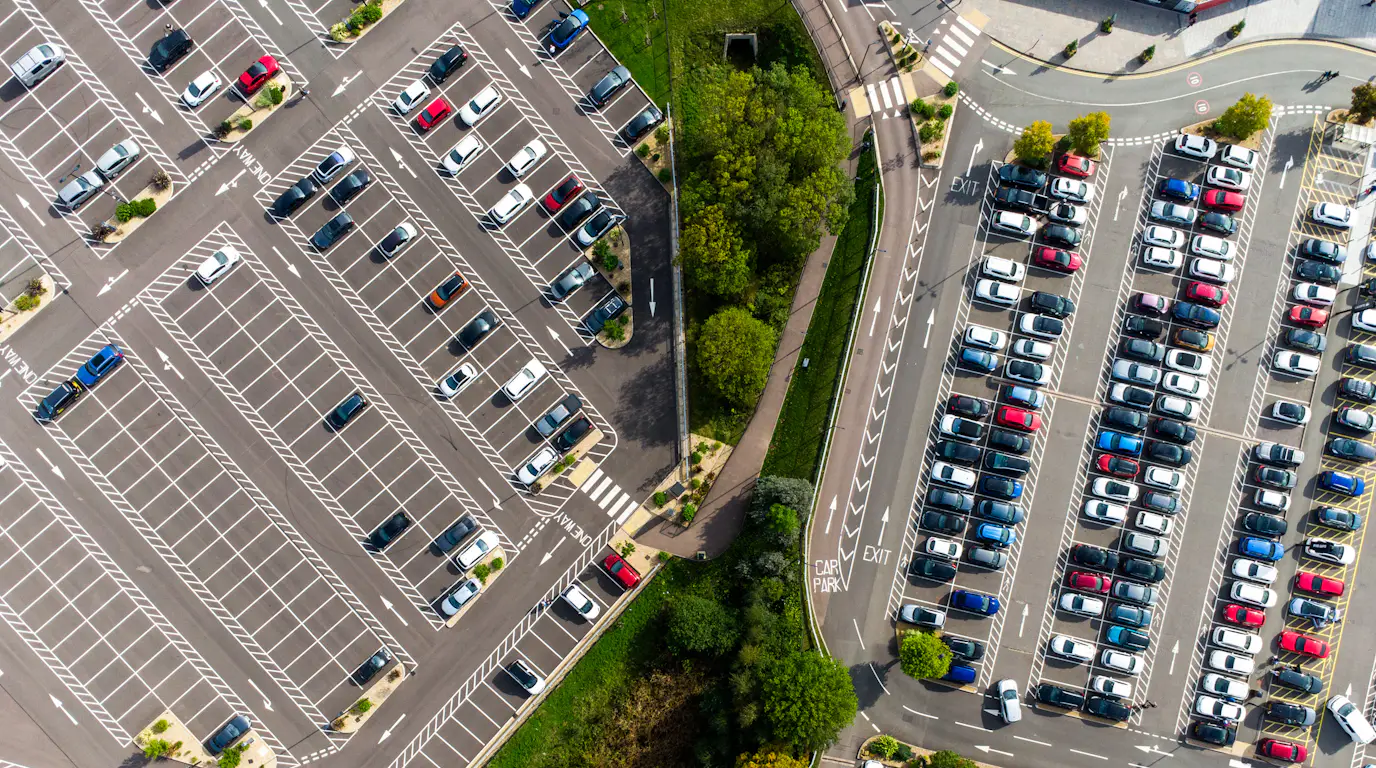
Most EV drivers charge at home overnight with Level 1 or Level 2 equipment, according to the U.S. Department of Energy. That is why commercial and fleet charging is a separate engineering job. A depot, a parking structure or a workplace lot has many vehicles, much more load and a utility to work with. That commercial and fleet work is where Jolt Engineering focuses. We do not design home chargers.
EV Charging Infrastructure Components: What Goes Into a Site
Every site is built from the same four layers. The size changes from site to site, but the layers stay the same.
- Charging equipment: the chargers, cables and connectors that the driver uses. The industry also calls this electric vehicle supply equipment, or EVSE.
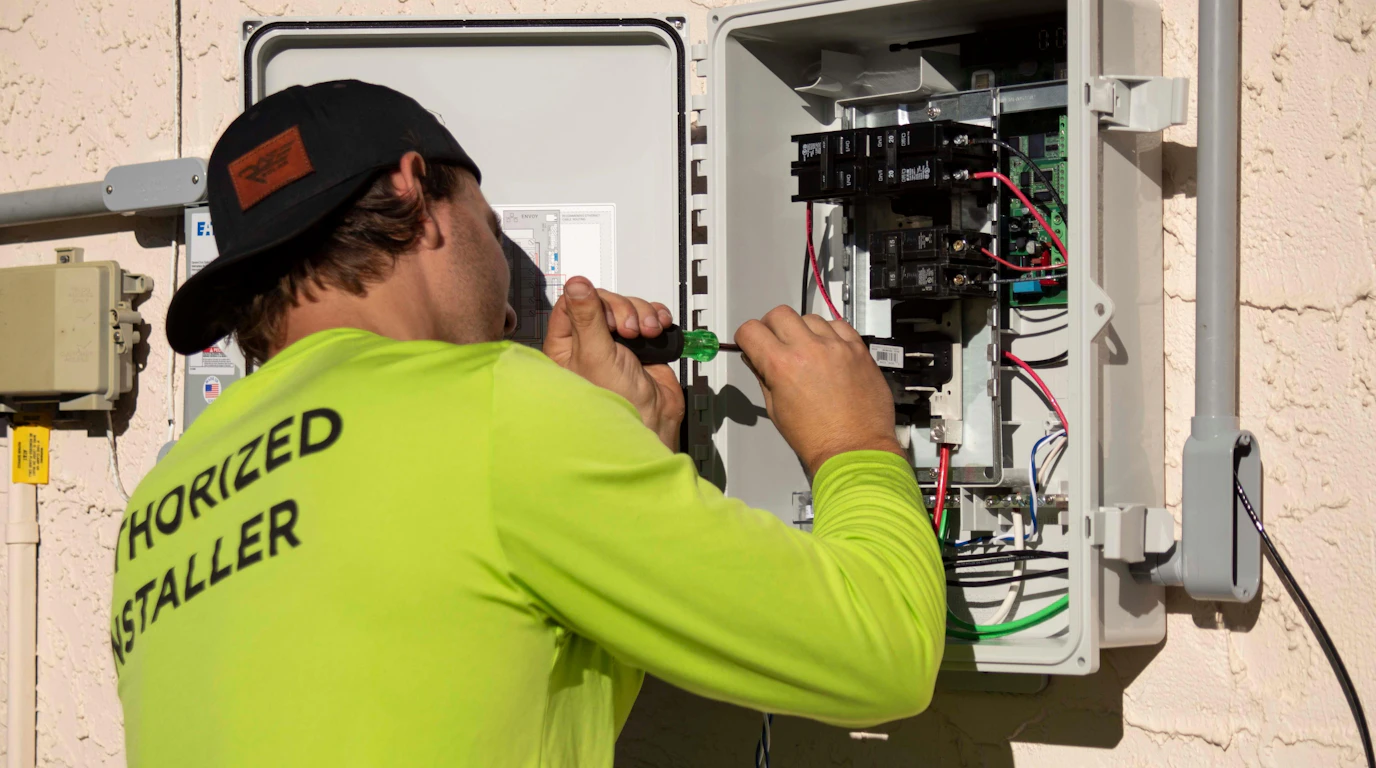
- Electrical service and distribution: the panels, breakers, feeders and conduit that carry power from the service entrance to each charger.
- Utility connection: the service the utility provides to the property. If the existing service is too small, it may need an upgrade, and that depends on the utility.
- Network and software: the system that monitors chargers, controls access and reports status.
EV charging stations, ports and connectors
People use "charger" and "charging station" loosely, but the terms point to different things. The DOE's Alternative Fuels Data Center explains that a charging port, also called an EVSE port, charges only one vehicle at a time, even if it has several connectors. A station is the location, and it can hold one port or many. When you plan EV charging stations infrastructure, count ports, not connectors, because ports set how many vehicles can charge at once.
Standards and open networks
The DOE says charging infrastructure should comply with SAE International standards such as SAE J1772. It also notes that hardware using the Open Charge Point Protocol (OCPP) version 1.6 or higher lets a site host change networks without replacing equipment. If you manage a fleet, that flexibility matters, because it keeps you from being tied to a single software provider.
Several kinds of EV charging infrastructure companies work on a project: equipment makers, network providers, electrical contractors and engineering firms. Our part is the engineering. We design the site layout, run the load calculations and prepare the PE-stamped permit package. We do not build the site or manage the utility upgrade.
EV Charging Infrastructure Types: Level 1, Level 2 and DC Fast Charging
The Alternative Fuels Data Center sorts charging equipment by one thing, the rate at which it charges the battery. That gives three types, and the table below compares them using the DOE's figures.
| Level | Power supply | Output and range per hour |
|---|---|---|
| AC Level 1 | Standard 120 V AC plug | About 5 miles of range per hour |
| AC Level 2 | 240 V AC | 2.9 to 19.2 kW, about 25 miles of range per hour |
| DC fast charging | DC charging unit | Up to 500 kW |
Good to know: The DOE classifies EV charging equipment by the rate at which it charges the battery.
Level 1 needs no new electrical work in many cases, but it is slow. Level 2 is the common choice for workplaces, multifamily properties and fleets that park overnight. A typical residential Level 2 charger delivers 7.2 kW, while commercial units run across the wider range in the table. DC fast charging is for vehicles that need to be back on the road quickly, and it asks the most of the electrical service. You can read the full classification on the DOE Alternative Fuels Data Center.
Planning a commercial or fleet charging site?
Review the scope directly with an engineer.
How Electric Vehicle Charging Infrastructure Connects to the Grid and What It Costs
A charger draws its power from the building's electrical service, and that service connects to the utility. The more power the chargers draw at the same time, the more the service has to supply. Load calculations show how much capacity a site needs and whether the existing service can carry it. If it cannot, the project may involve an upgrade to the service entrance or the transformer, which is the utility's decision and schedule.
That is why design starts with the electrical side. Conduit routes, trenching, charger placement and the parking layout all follow from the capacity you have. For commercial work, the NEC Article 625 covers EV charging equipment and is part of the technical context. The permit package then goes to the AHJ for review. If you want to see how permit reviews go wrong on the solar side, our post on why engineered solar designs keep failing at city hall shows the same pattern.
EV charging infrastructure cost
Cost depends on the site, so we do not quote a number here. The DOE notes that labor is a major part of installation cost, and its Alternative Fuels Data Center infrastructure page breaks down the cost categories. Utility upgrades, trenching and the number of ports can all move the total.
Before you ask anyone for a design, gather the basics:
- Identify the AHJ and the utility for the site.
- Count the vehicles and how long each one parks.
- Decide how many ports the site needs, not just how many connectors.
- Collect the size of the existing electrical service.
- Choose hardware that follows SAE J1772 and supports OCPP 1.6 or higher.
- Mark where trenching or conduit could run across the lot.

Frequently Asked Questions About EV Charging Infrastructure
What is the difference between an EV charger and an EV charging station?
A charger is the equipment that delivers power to one vehicle through a port. A charging station is the location and can include one port or many. The DOE notes that a port charges only one vehicle at a time, even if it has several connectors.
What is EV charging, in one sentence?
EV charging is the transfer of electricity from the grid to a vehicle's battery through charging equipment. The speed depends on the charging level and on the power the site can supply.
How much does EV charging infrastructure cost to install?
It varies by site. The DOE notes that labor is a major part of installation cost, and utility upgrades and trenching can change the total. We do not publish a price for our engineering. Send the project details and we will confirm the deliverables, fee and timeline for your project.
What does EV charging infrastructure design involve?
For commercial and fleet sites, it covers the site layout, conduit route, load calculations, utility capacity analysis, EVSE coordination and a PE-stamped permit package. You can read our scope on the EV charging infrastructure design page.
Do you build the charging site or manage the utility upgrade?
No. Jolt Engineering does the engineering. Construction and the utility's service upgrade sit outside our scope. We prepare the documentation that supports them.
The Bottom Line: Start With Power, Not the Charger
- EV charging infrastructure is a system, not a product. It includes the chargers, the electrical service, the utility connection and the software.
- Charging level sets the electrical load. Level 1, Level 2 and DC fast charging differ in power, and the service has to carry what you choose.
- Count ports, not connectors. A port charges one vehicle at a time, so ports decide how many vehicles can charge together.
- Pick open, standard hardware. SAE J1772 and OCPP 1.6 or higher give you room to change networks later.
- Cost is site-specific. Labor is a major installation expense, and utility upgrades can change the total.
Next Step: Talk Through Your Site
If you now know what EV charging infrastructure is and you have a commercial or fleet site in mind, the useful next step is a conversation about capacity, layout and permitting. Jolt Engineering works with teams on exactly that, and you can find more engineering guides on the Jolt Engineering blog. Contact us to confirm availability for your project state, and send the location, the AHJ and the utility if you have them.
Ready to share the details?
Send the project location, the AHJ and the utility.