What drains an EV battery the most? The main drains, by DOE and EPA data
Table of Contents
- Why is my EV battery draining so fast? Start with what you mean by drain
- What drains an EV battery the most: the main drains by source
- What uses the most battery in an electric car?
- EV battery drain in cold weather
- Does the A/C drain an EV battery in hot weather?
- Speed, braking and parked loss
- Does speed drain an EV battery?
- EV battery drain when parked
- How to reduce EV battery drain
- Frequently asked questions about EV battery drain
- What drains an EV battery the fastest?
- Does heating or air conditioning drain an EV battery more?
- Do heated seats and infotainment screens drain an EV battery much?
- How much battery does an EV lose when it is parked?
- Does preconditioning save EV battery while the car is plugged in?
- The Bottom Line: Climate control is the main documented drain, and much of it is manageable
- Plan charging around real range loss
What drains an EV battery the most depends on the season: in the cold it is cabin heating, and in the heat it is the air conditioner. According to the U.S. DOE and EPA's fueleconomy.gov, about two-thirds of the extra energy an EV uses in the cold goes to heating the cabin, and A/C is the main contributor to reduced fuel economy in hot weather.
Key takeaways
- At a typical cold 20°F, DOE and Argonne tests measured a far bigger range drop for a battery electric vehicle than for a gasoline car.
- In the heat, the air conditioner is the main contributor to reduced fuel economy, and a warmer setting uses less battery power.
- Per fueleconomy.gov, preheating the cabin while the vehicle is plugged in can extend range.
In this guide
- Why is my EV battery draining so fast?
- What drains an EV battery the most: the main drains by source
- Speed, braking and parked loss
- How to reduce EV battery drain
- Frequently asked questions
- The Bottom Line
- Plan charging around real range loss
Why is my EV battery draining so fast? Start with what you mean by drain
This guide covers range loss in the battery that moves the car. People use "drain" for two different things, so it helps to separate them.
The first is range loss on a given day, caused by temperature, heating, cooling and how the vehicle is driven. The EPA says driving conditions, including hot and cold weather, affect the range of an EV. The second is slow aging. The EPA notes that batteries do tend to lose some of their initial range over time.
If you run a fleet or plan a commercial charging site, the first kind is the one to plan around, because it changes how far each vehicle gets between charges.
What drains an EV battery the most: the main drains by source
The table lists the main drains that the DOE and EPA sources document, grouped by season and driving. It is not a ranking by size, and some rows have no number.
What uses the most battery in an electric car?
It depends on the weather. In the cold, the heater: an EV has no engine heat, so fueleconomy.gov explains that all cabin heat must be provided by electricity. In the heat, the air conditioner. The table puts the main drains side by side.
| Drain | What the source reports | What helps |
|---|---|---|
| Cabin heating in the cold | About two-thirds of the extra energy consumed in the cold is used to heat the cabin | Preheat while plugged in |
| Heated seats, defrosters, fans | These use additional power | Use only what you need |
| Cold battery chemistry | Range is lower in the cold even without the heater | Plan routes and charging around the loss |
| A/C in hot weather | The main contributor to reduced fuel economy in hot weather | Warmer setting, shade or a sunshade |
| Hard braking | Friction brakes do not recover energy | Brake gently |
EV battery drain in cold weather
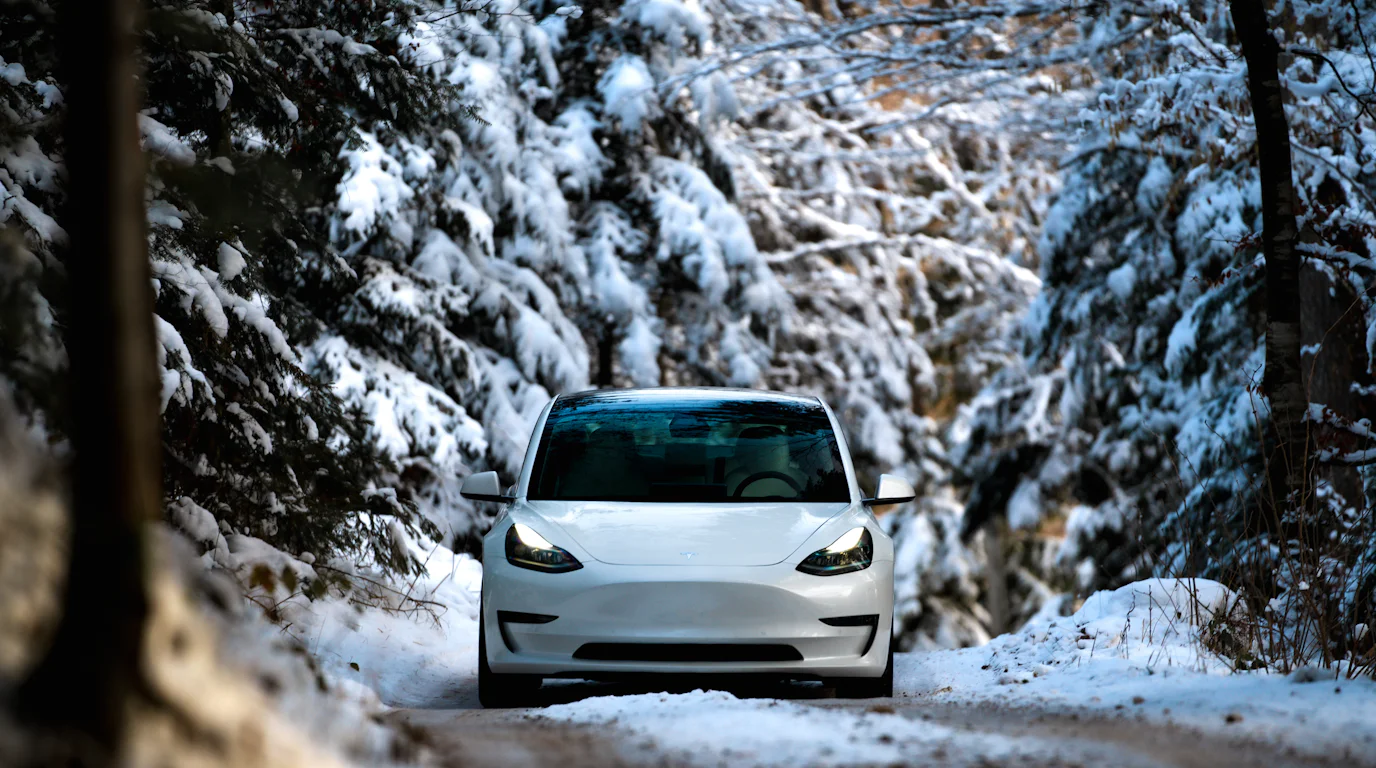
Cold works against range in two ways. The first is the heater. fueleconomy.gov says EV fuel economy and range can drop sharply in the cold. DOE and Argonne dynamometer tests found a large drop at 20°F, and the DOE report names the power used by the onboard heating and air conditioning system as the primary reason. fueleconomy.gov adds that in very cold conditions, auxiliary electrical loads can account for a large share of energy use in city driving.
The second is the battery itself. The DOE report explains that low temperature reduces the efficiency of the chemical reactions in the cells, which lowers output voltage and available capacity. fueleconomy.gov notes that range is lower even without the heater. You can read the full numbers in the DOE cold ambient temperature report.
Does the A/C drain an EV battery in hot weather?
Yes. fueleconomy.gov says the effect of air conditioning on EVs can be larger in percentage terms than on gasoline cars. The sources cited here give no hot-weather percentage.
A warmer A/C temperature setting uses less battery power.
The same page adds one more easy way to cut the load: park in the shade or use a sunshade, so the cabin does not get as hot.
Speed, braking and parked loss
Climate control is well documented, but two other questions come up often. Both have thinner official evidence, so this section is short.
Does speed drain an EV battery?
The sources cited in this guide give no percentage for how speed affects EV range, so none is quoted here. What they do document is braking: hard braking makes the vehicle use its conventional friction brakes, which do not recover energy. Braking gently avoids that loss.
EV battery drain when parked
None of the sources cited in this guide gives a figure for drain while parked, so none is quoted here. What the DOE does say is that cold lowers the usable energy in the battery. For a fleet, the practical step is measurement: compare each vehicle's own energy readout at the end of a shift and at the start of the next, and note the outside temperature.
Sizing chargers for real-world range?
Send Jolt your site and fleet details to discuss the scope.
How to reduce EV battery drain
These steps come from the fueleconomy.gov guidance on cold weather, hot weather and EV driving.
- Preheat the cabin while the vehicle is still plugged in.
- Choose a warmer A/C temperature setting in hot weather.
- Park in the shade or use a sunshade.
- Brake gently so the car does not fall back on friction brakes, which do not recover energy.
- Turn off heated seats, defrosters and heater fans when you do not need them.
- Plan a range buffer for cold days, because the EPA reports that cold temperatures and the use of heat can cut average range.
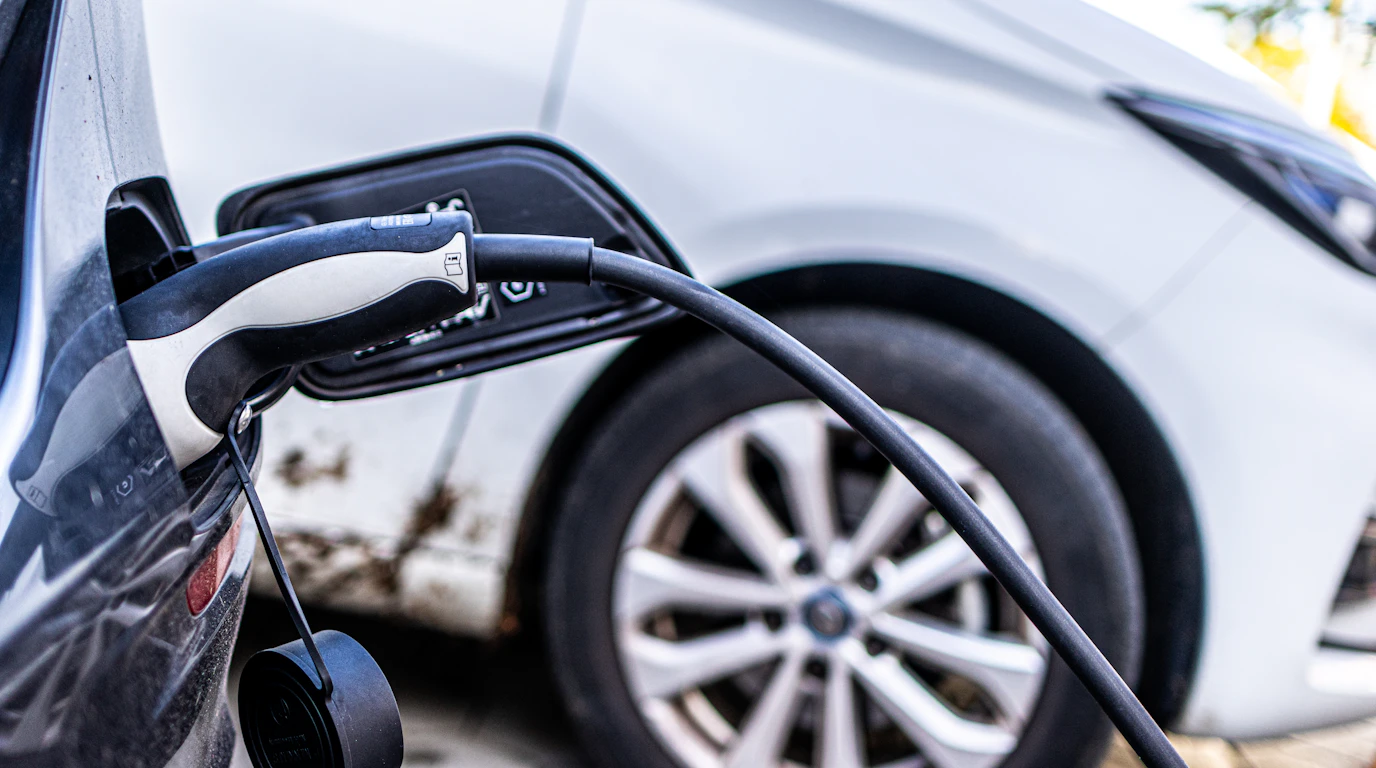
Preheating while plugged in is the one that touches infrastructure. fueleconomy.gov says preheating the cabin while plugged into the charger can extend your vehicle's range. That only works where the vehicle is parked at a charger, which is a layout question for any depot or lot.
Fast charging is a separate matter. NREL research says high-current charging can adversely impact the life of the battery, and that thermal management is needed to prevent high temperature excursions. That is about battery life, not about what drains range day to day.
Frequently asked questions about EV battery drain
What drains an EV battery the fastest?
In cold weather, cabin heating. The DOE report names the power used by the onboard heating and air conditioning system as the primary reason for cold-weather range loss, and fueleconomy.gov puts about two-thirds of the extra energy used in the cold into heating the cabin. In hot weather, the A/C is the main contributor to reduced fuel economy.
Does heating or air conditioning drain an EV battery more?
The documented evidence is strongest for cold: DOE and Argonne tests found a large range drop at 20°F. The A/C is the main contributor to reduced fuel economy in hot weather, but the sources cited here give no hot-weather percentage to compare it with.
Do heated seats and infotainment screens drain an EV battery much?
fueleconomy.gov lists heated seats, window defrosters and heater fans as extra power use, but gives no figure. The sources cited here give no figure for screens or wipers either, so none is stated. In cold weather, cabin heating is the load worth managing first.
How much battery does an EV lose when it is parked?
The sources cited here give no figure, so none is stated. The DOE does say cold reduces the usable energy in the battery. To see what your own vehicles lose, compare the energy readout at the end of one shift with the start of the next.
Does preconditioning save EV battery while the car is plugged in?
For heating, yes. fueleconomy.gov says preheating the cabin while plugged into the charger can extend your vehicle's range. Its hot-weather guidance is to use a warmer A/C setting and to park in the shade or use a sunshade, which keeps the cabin cooler so the A/C works less.
The Bottom Line: Climate control is the main documented drain, and much of it is manageable
- Cabin heating is the main drain in the cold. An EV has no engine heat, so all of it is electric, and DOE tests showed a large range drop at 20°F.
- Cold also lowers the usable energy in the battery. Range is lower even without the heater, so turning the heat down does not remove the cold-weather loss.
- A/C is the hot-weather drain. A warmer setting and shade reduce the load, according to fueleconomy.gov.
- Some drains have no published figure in these sources. They give no numbers for speed or parked loss, so measure your own vehicles.
- Preheat while plugged in. It is the one fix that links driver habits to where chargers are installed.
Plan charging around real range loss
For a fleet or a commercial site, range is not one number. It moves with the season, which is worth planning with when you decide where chargers go. Our plain-language guide to EV charging infrastructure covers the basics of how a site comes together, and the Jolt Engineering blog has more on commercial engineering topics.
At Jolt Engineering, the work is the engineering behind commercial and fleet charging sites. That does not include construction or managing a utility upgrade. Contact Jolt to confirm availability for your project state.
- Site layout: Level 2 and DCFC layouts for commercial and fleet sites.
- Load calculations: Electrical load figures for the chargers you plan.
- Utility capacity analysis: A review of the capacity available at the site.
- Conduit routing: The raceway route between service and chargers.
- Permit packages: PE-stamped documentation for permitting.
Ready to plan your charging site?
Send the site and fleet details to discuss the scope.